Celtic Border: Timeless Design for Modern Creativity
The Celtic border is more than just a decorative element—it’s a symbol of heritage, artistry, and timeless beauty. Rooted in the intricate patterns of ancient Celtic culture, these designs have found new life in the digital age, offering creators and professionals a versatile tool for a wide range of applications. Whether you're designing a logo, crafting handmade items, or working on web graphics, the Celtic border provides a rich foundation for expression.
Modern design trends are increasingly embracing historical motifs, blending traditional aesthetics with contemporary functionality. The Celtic border aligns perfectly with this shift, offering a unique visual language that resonates across cultures and industries. Its geometric complexity and symbolic depth make it an appealing choice for those seeking to add character and authenticity to their work.
Understanding the Celtic Border
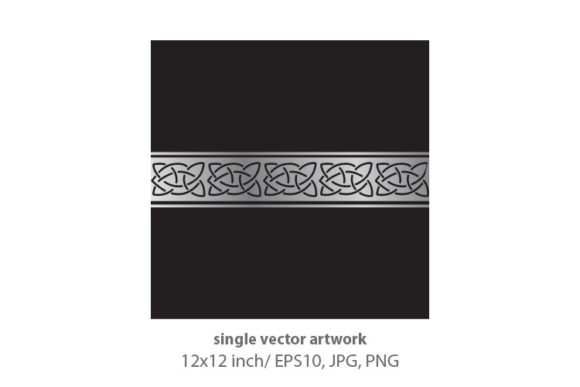
Celtic borders are characterized by their interwoven lines, knots, and spirals—elements that have been used for centuries in art, architecture, and textiles. These patterns often represent continuity, unity, and the cyclical nature of life. In modern design, they serve as a bridge between past and present, allowing artists to infuse their work with cultural significance while maintaining a fresh, adaptable look.
Unlike simple linear designs, Celtic borders are layered and dynamic. They can be used as standalone elements or integrated into larger compositions. Their versatility makes them ideal for everything from stationery and invitations to digital illustrations and branding materials. With the right tools and techniques, even complex patterns can be simplified and adapted for various uses.
Why the Celtic Border Matters Today
In an era where personalization and uniqueness are highly valued, the Celtic border offers a way to stand out without relying on generic templates. As more people turn to digital design for both professional and creative purposes, the demand for high-quality, customizable assets has grown. This is where the Celtic border comes into play—providing a ready-made solution that is both visually striking and functionally flexible.
Businesses and entrepreneurs are also recognizing the value of incorporating traditional motifs into their branding. A well-designed Celtic border can evoke a sense of history and craftsmanship, which can be particularly effective for niche markets such as artisanal goods, luxury products, or cultural experiences. It adds depth and storytelling to a brand’s visual identity, making it more memorable and meaningful.
Practical Applications of the Celtic Border
The versatility of the Celtic border makes it suitable for a wide array of projects. For graphic designers, it can serve as a background element, a frame for text, or a decorative accent in logos and marketing materials. In the realm of print design, it can enhance the aesthetic of business cards, brochures, and packaging, adding a touch of sophistication and elegance.
Handmade crafters and DIY enthusiasts can use the Celtic border to create unique wall art, custom greeting cards, or personalized stationery. Its vector format ensures that it can be scaled without losing quality, making it ideal for both small-scale and large-format projects. Whether you're printing on paper, fabric, or digital screens, the Celtic border adapts seamlessly to different mediums.
For web designers and developers, the Celtic border can be used to enhance user interfaces, add visual interest to websites, or create custom icons. Its compatibility with modern design software like Adobe Illustrator means that it can be easily modified and integrated into existing workflows. This level of flexibility is essential in today’s fast-paced digital environment, where adaptability is key.
How to Use the Celtic Border Effectively
To get the most out of the Celtic border, it's important to understand how to apply it thoughtfully. Start by considering the context of your project. Is it for a formal event, a casual design, or a commercial product? The tone and purpose of your work will influence how you incorporate the border into your design.
When using the Celtic border in digital design, pay attention to color and contrast. The RGB color palette provided in the zip file allows for vibrant and accurate representation across different platforms. Experiment with different color combinations to find the one that best complements your overall design scheme.
Another consideration is the size and placement of the border. Since the artboard is 12x12 inches, the design is optimized for standard print sizes, but it can also be resized for digital use. Be mindful of how the border interacts with other elements in your composition. It should enhance the design rather than overwhelm it.
Evolution of the Celtic Border in Modern Design
The Celtic border has evolved significantly over the years, adapting to changing design trends and technological advancements. While its roots are deeply embedded in tradition, its modern iterations reflect a broader understanding of aesthetics and usability. Today, designers are not only preserving the essence of the original patterns but also reinterpreting them in ways that resonate with contemporary audiences.
This evolution is driven by a growing appreciation for cultural heritage and a desire for authentic, handcrafted elements in design. As more people seek to connect with their roots or express individuality through their work, the Celtic border has become a popular choice for those looking to add a layer of meaning and sophistication to their creations.
Trends Shaping the Future of Celtic Border Design
Several trends are influencing the future of Celtic border design. One of the most notable is the increasing focus on sustainability and ethical sourcing. As consumers become more conscious of the environmental impact of their choices, there is a rising demand for eco-friendly and locally sourced materials. This trend extends to digital design as well, with many creators opting for reusable and adaptable assets like the Celtic border.
Another trend is the integration of technology into traditional art forms. Digital tools allow for greater precision and customization, enabling designers to experiment with new variations of the Celtic border. This fusion of old and new opens up exciting possibilities for innovation while maintaining the integrity of the original design.
Recommendations for Using the Celtic Border
If you're looking to incorporate the Celtic border into your work, start by exploring its potential in different contexts. Test it in various design projects to see how it performs and what effects it can achieve. Don't be afraid to modify the design to suit your specific needs—its vector format makes it easy to adjust and refine.
Additionally, consider the audience you're targeting. If your work is aimed at a younger demographic, you may want to simplify the design or pair it with modern typography. For more traditional or luxury-oriented projects, the full complexity of the Celtic border can be preserved to convey a sense of timelessness and elegance.
Finally, always ensure that the files you use are of high quality and properly formatted. The inclusion of EPS, JPG, and PNG files in the zip package provides multiple options for different applications, ensuring that you have the right file type for every project. This level of accessibility makes the Celtic border a valuable resource for creators at all levels.